Table of Contents
Introduction: Science-Backed Foods for Neuroplasticity
In our fast-paced world where cognitive performance is increasingly valued, the concept of neuroplasticity has gained significant attention. Neuroplasticity—the brain’s remarkable ability to reorganize itself by forming new neural connections—is fundamental to learning, memory, and recovery from brain injuries. While we often focus on mental exercises and lifestyle habits to enhance this capability, nutrition plays an equally crucial role in supporting and optimizing our brain’s adaptability.
The foods we consume provide the essential building blocks that fuel neuroplasticity, influencing everything from neurotransmitter production to inflammation levels in our neural tissues. By strategically incorporating certain foods into our diet, we can create an internal environment that fosters neural growth, enhances cognitive function, and potentially delays age-related cognitive decline.
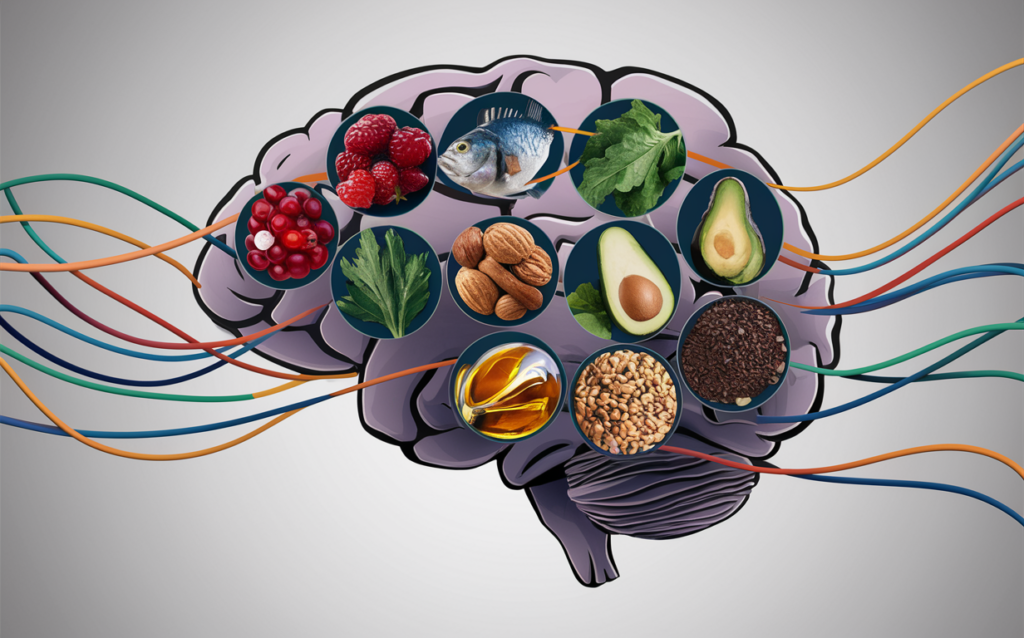
This comprehensive guide explores ten science-backed foods that have been shown to promote neuroplasticity through various mechanisms. Whether you’re a student looking to optimize learning, a professional seeking peak mental performance, or simply someone interested in maintaining cognitive health as you age, understanding how nutrition impacts your brain’s plasticity can be transformative.
Understanding Neuroplasticity: The Brain’s Remarkable Adaptability
Before diving into specific foods, it’s essential to understand what neuroplasticity is and why it matters for your cognitive health and performance.
What Is Neuroplasticity?
Neuroplasticity refers to the brain’s intrinsic capacity to restructure and modify its connections and functions in response to learning, experiences, and after injury. This adaptive mechanism includes a range of processes like synaptic plasticity—the long-lasting change in the strength of synaptic connections—and neurogenesis, the formation of new neurons, which occurs primarily in the hippocampus in humans.
For decades, scientists believed that the adult brain was relatively fixed and unchangeable after childhood development. However, modern neuroscience has revealed that the brain remains remarkably plastic throughout our entire lives, capable of significant reorganization even in advanced age.
Why Neuroplasticity Matters
Neuroplasticity is fundamental to:
- Learning and memory: The formation of new neural connections allows us to acquire and retain new information and skills
- Recovery from brain injuries: After damage from stroke or trauma, the brain can often reorganize to compensate for lost function
- Adaptation to changing environments: Neuroplasticity enables us to adjust to new situations and challenges
- Cognitive resilience: Greater neuroplasticity may help protect against age-related cognitive decline and neurodegenerative diseases
Factors That Influence Neuroplasticity
Multiple factors affect the brain’s plastic capabilities:
- Age: While neuroplasticity decreases somewhat with age, significant capacity remains throughout life
- Physical activity: Exercise promotes the release of growth factors that enhance neuroplasticity
- Mental stimulation: Challenging cognitive activities strengthen neural connections
- Sleep: Quality rest is essential for consolidating new neural pathways
- Stress levels: Chronic stress can inhibit neuroplasticity
- Nutrition: Specific nutrients directly impact the brain’s ability to form and maintain neural connections
This last factor—nutrition—is often overlooked but is critically important. The foods we eat provide the raw materials that our brains need to build new connections and maintain existing ones. Let’s explore the science-backed foods that can enhance your brain’s plastic potential.
The Science Behind Food and Neuroplasticity
The connection between diet and brain function is supported by a growing body of research. Several biological mechanisms explain how certain foods and nutrients can enhance neuroplasticity:

Key Mechanisms
- Brain-Derived Neurotrophic Factor (BDNF) Production: Often described as “fertilizer for the brain,” BDNF is a protein that promotes the survival of existing neurons and encourages the growth and differentiation of new neurons and synapses. Certain foods can increase BDNF levels.
- Anti-inflammatory Effects: Chronic inflammation in the brain can impair neuroplasticity. Anti-inflammatory foods help create an environment conducive to neural growth and connection.
- Antioxidant Protection: The brain is highly susceptible to oxidative stress due to its high metabolic activity. Antioxidant-rich foods protect neurons from damage.
- Neurotransmitter Production: The foods we eat provide precursors for neurotransmitters—the chemical messengers that transmit signals between neurons.
- Microbiome Influence: The gut-brain axis connects our digestive system with our central nervous system. A healthy gut microbiome supports optimal brain function and neuroplasticity.
Now, let’s explore the ten foods that leverage these mechanisms to enhance neuroplasticity.
1. Blueberries: The Neuroplasticity Superfood
Blueberries have earned their reputation as a brain superfood, largely due to their exceptional antioxidant content and specific compounds that directly benefit neural health.
How Blueberries Enhance Neuroplasticity
Blueberries are particularly rich in anthocyanins, the compounds that give them their deep blue color. These powerful antioxidants cross the blood-brain barrier and accumulate in areas of the brain involved in learning and memory.
Research shows that blueberries support neuroplasticity through several mechanisms:
- Increased BDNF Levels: Studies indicate that blueberry consumption can increase levels of BDNF, promoting the growth and maintenance of neurons.
- Enhanced Synaptic Plasticity: The flavonoids in blueberries have been shown to improve communication between neurons.
- Reduced Oxidative Stress: By neutralizing free radicals, blueberries protect neurons from damage that could impair plasticity.
- Improved Blood Flow: Blueberries enhance cerebral blood flow, ensuring neurons receive adequate oxygen and nutrients.
Scientific Evidence
A study conducted by King’s College London discovered that individuals who consumed a daily drink made from 26 grams of freeze-dried wild blueberry powder for 12 weeks experienced significant improvements in executive function, short-term memory, and reaction times. Participants showed better immediate recall of word lists and demonstrated improved accuracy in switching tasks.
Compared to ordinary blueberries, wild blueberries have even higher concentrations of anthocyanins and antioxidants—about 33% more—making them particularly beneficial for brain health.
Practical Ways to Include Blueberries in Your Diet
To maximize neuroplasticity benefits, aim for 1/2 to 1 cup of blueberries daily. Here are some easy ways to incorporate them:
- Add fresh or frozen blueberries to morning oatmeal or cereal
- Blend them into smoothies with other brain-boosting ingredients
- Mix them into yogurt for a nutritious snack
- Add them to salads for a sweet contrast
- Enjoy them plain as a simple snack
- Use them as a natural sweetener in desserts
Pro Tip: Frozen blueberries retain their nutritional value and are often more affordable than fresh, especially when out of season.
2. Fatty Fish: Omega-3 Powerhouses
Fatty fish like salmon, mackerel, sardines, and trout are among the most potent foods for enhancing neuroplasticity, primarily due to their high omega-3 fatty acid content.
How Fatty Fish Enhances Neuroplasticity
Omega-3 fatty acids, particularly EPA (eicosapentaenoic acid) and DHA (docosahexaenoic acid), are essential components of cell membranes in the brain and play crucial roles in neuroplasticity:
- Membrane Fluidity: DHA helps maintain the fluidity of neural cell membranes, which is essential for forming new connections.
- Synaptogenesis: Omega-3s promote the formation of new synapses between neurons.
- Anti-inflammatory Effects: These fatty acids reduce neuroinflammation, creating an environment conducive to neural growth.
- BDNF Production: Research indicates that omega-3 consumption increases BDNF levels, supporting neurogenesis.
- Neurotransmitter Function: Omega-3s improve the function of neurotransmitters, enhancing communication between neurons.
Scientific Evidence
Multiple studies have demonstrated the benefits of fatty fish consumption for brain plasticity and function. Research published in the journal Neurology found that people with higher levels of omega-3 fatty acids had better blood flow in the brain and performed better on cognitive tests.
Another study in the American Journal of Preventive Medicine showed that regular fish consumption was associated with larger gray matter volumes in brain areas responsible for memory and cognition, suggesting enhanced neuroplasticity.
Practical Ways to Include Fatty Fish in Your Diet
Health experts recommend consuming fatty fish at least twice per week. Here are some ways to incorporate more fatty fish into your diet:
- Grill or bake salmon with herbs and lemon for a simple dinner
- Add canned sardines to salads or toast
- Use smoked mackerel in pasta dishes or on crackers
- Make fish tacos with grilled trout
- Prepare a traditional Mediterranean fish stew
- Add anchovies to pizzas or pasta sauces for a flavor boost
Pro Tip: If you don’t consume fish, consider algae-based omega-3 supplements, which provide DHA and EPA without the fish.
3. Walnuts: Brain-Shaped for a Reason
It’s often noted that walnuts resemble the human brain in appearance—and fittingly, they’re exceptionally beneficial for brain health and neuroplasticity.
How Walnuts Enhance Neuroplasticity
Walnuts are one of the richest plant sources of omega-3 fatty acids, specifically alpha-linolenic acid (ALA). While the body converts ALA to EPA and DHA less efficiently than it uses the forms found in fish, walnuts offer additional neuroplasticity benefits:
- Antioxidant Power: Walnuts contain several unique antioxidants, including ellagic acid, that protect neurons from oxidative damage.
- Anti-inflammatory Effects: The polyphenols in walnuts help reduce brain inflammation.
- Improved Signaling: Compounds in walnuts enhance signaling between neurons, facilitating new connections.
- Neuroprotection: Regular walnut consumption has been linked to reduced risk of neurodegenerative diseases, suggesting they help maintain brain plasticity with age.
Scientific Evidence
According to the National Library of Medicine, oxidative stress and neuroinflammation are part of the aging process and contribute to mild cognitive impairment, Alzheimer’s disease, and other brain disorders. Research indicates that walnut supplementation can improve cognition and reduce the risk or progression of cognitive impairment and Alzheimer’s.
A recent study by Spanish researchers published in the journal eClinicalMedicine found that children who eat a handful of walnuts per day or at least have them three times a week can substantially improve their cognitive abilities, including attention.
Practical Ways to Include Walnuts in Your Diet
Nutritionists recommend consuming about 1-2 ounces (28-56 grams) of walnuts daily—approximately 14-28 walnut halves. Here’s how to incorporate them:
- Add chopped walnuts to morning oatmeal or cereal
- Mix them into yogurt with berries for a brain-boosting snack
- Sprinkle them on salads for added crunch and nutrition
- Blend them into smoothies for added creaminess
- Use ground walnuts as a nutritious coating for fish or chicken
- Make homemade walnut butter as a spread for toast or apple slices
Pro Tip: Soaking walnuts overnight can make them easier to digest and may enhance nutrient absorption.
4. Broccoli: Cruciferous Brain Booster
This common vegetable is an exceptional source of compounds that support neuroplasticity and overall brain health.
How Broccoli Enhances Neuroplasticity
Broccoli is packed with nutrients that support brain plasticity through several mechanisms:
- Vitamin K: Broccoli is one of the richest sources of vitamin K, with one serving providing more than 100% of the daily recommended allowance. Vitamin K is involved in the metabolism of sphingolipids, fats found in brain cells that help maintain brain structure and neuronal function.
- Sulforaphane: This powerful compound, found in high concentrations in broccoli, activates the Nrf2 pathway, which triggers the body’s defense against oxidative stress and inflammation.
- Anti-inflammatory Effects: The compounds in broccoli help reduce neuroinflammation, creating an environment conducive to neuroplasticity.
- Antioxidant Protection: Broccoli contains vitamin C, flavonoids, and carotenoids that protect brain cells from damage.
- Neurogenesis Support: Emerging research suggests that sulforaphane may promote neurogenesis and repair damaged brain cells.
Scientific Evidence
Studies have shown that individuals with higher vitamin K intake demonstrate better verbal memory and cognitive function compared to those with lower intake. The sulforaphane in broccoli has been shown to protect against various neurodegenerative conditions in laboratory studies, suggesting it helps maintain neuroplasticity.
Research published in 2022 examined the effects of zinc supplementation and broccoli consumption on brain health in rats. While the study focused primarily on zinc, it highlighted the importance of cruciferous vegetables like broccoli in maintaining neuroplasticity markers in the hippocampus.
Practical Ways to Include Broccoli in Your Diet
For optimal brain benefits, aim to consume 1-2 cups of broccoli 3-4 times per week. Here are some delicious ways to incorporate it:
- Steam broccoli lightly to preserve its nutrients and serve as a side dish
- Add it to stir-fries with other vegetables and lean protein
- Roast broccoli with olive oil and garlic for a flavor-packed side
- Include it in soups and casseroles
- Add finely chopped broccoli to pasta sauces or meatballs
- Blend it into green smoothies with fruit to mask the flavor
Pro Tip: Don’t overcook broccoli, as this can reduce its nutritional value. Light steaming or quick stir-frying preserves more nutrients than boiling.
5. Turmeric: The Golden Spice for Brain Health
This vibrant yellow spice has been used in traditional medicine for thousands of years and is now recognized by modern science for its powerful effects on brain health and neuroplasticity.
How Turmeric Enhances Neuroplasticity
The active compound in turmeric, curcumin, offers multiple benefits for neuroplasticity:
- BDNF Boosting: Curcumin has been shown to increase levels of BDNF, supporting the growth and maintenance of neurons.
- Powerful Anti-inflammatory: Curcumin reduces inflammation in the brain, creating an environment conducive to neural growth and connection.
- Antioxidant Protection: It neutralizes free radicals that can damage neurons and impair plasticity.
- Amyloid Plaque Reduction: Curcumin may help reduce the accumulation of amyloid plaques associated with Alzheimer’s disease, potentially preserving neuroplasticity with age.
- Neurogenesis Support: Research suggests curcumin may support the birth of new neurons in the hippocampus.
Scientific Evidence
Multiple studies have demonstrated curcumin’s benefits for brain function. A notable 18-month study published in the American Journal of Geriatric Psychiatry found that daily curcumin supplementation improved memory and attention in older adults without dementia. Participants showed significant improvements in memory tests and reported better mood.
Reddit users have reported anecdotal improvements in short-term memory from using more turmeric and black pepper in meals, with one user noting they “crush fresh black peppercorns and use organic turmeric powder” for optimal results.
Practical Ways to Include Turmeric in Your Diet
The challenge with turmeric is that curcumin is poorly absorbed by the body. However, there are ways to enhance absorption:
- Always combine turmeric with black pepper, as the piperine in pepper enhances curcumin absorption by up to 2,000%
- Use turmeric in dishes with healthy fats, as curcumin is fat-soluble
- Add turmeric to curries, soups, and stews
- Make golden milk by warming plant or dairy milk with turmeric, black pepper, and other spices
- Add it to smoothies with a source of fat like avocado or coconut
- Try turmeric tea with a touch of honey and lemon
- Use it in salad dressings combined with olive oil
Pro Tip: For therapeutic effects, you may need more curcumin than diet alone can provide. Consider a high-quality supplement that includes black pepper extract (piperine) for better absorption.
6. Pumpkin Seeds: Tiny Nutritional Powerhouses
These small seeds pack an impressive nutritional punch that specifically supports neuroplasticity and cognitive function.
How Pumpkin Seeds Enhance Neuroplasticity
Pumpkin seeds contain a unique combination of nutrients that support brain plasticity:
- Zinc: Critical for nerve signaling and communication between neurons, zinc deficiency has been implicated in various neurological disorders.
- Magnesium: Essential for learning and memory, magnesium regulates NMDA receptors involved in neuroplasticity.
- Iron: Necessary for oxygen transport to the brain and the synthesis of neurotransmitters.
- Copper: Helps regulate nerve signals and maintain myelin sheaths that insulate neurons.
- Antioxidants: Pumpkin seeds contain various antioxidants that protect neurons from oxidative damage.
- Omega-3 Fatty Acids: While not as rich as some other sources, pumpkin seeds do provide alpha-linolenic acid (ALA), which supports brain cell structure.
Scientific Evidence
Research has demonstrated that the nutrients in pumpkin seeds directly support neuroplasticity. Zinc, in particular, contributes to brain plasticity—the ability to adapt and create new connections. Magnesium deficiency has been associated with various neurological disorders, including migraines, depression, and anxiety.
A study published in the journal Nutrients found that magnesium supplementation enhanced synaptic plasticity in the hippocampus, the brain region crucial for learning and memory. As pumpkin seeds are one of the richest natural sources of magnesium, they represent an excellent dietary choice for supporting neuroplasticity.
Practical Ways to Include Pumpkin Seeds in Your Diet
Experts recommend consuming about one ounce (28 grams) of pumpkin seeds daily for brain health benefits. Here are some ways to incorporate them:
- Enjoy them as a simple roasted snack
- Sprinkle them on salads for added crunch and nutrition
- Add them to oatmeal or yogurt
- Incorporate them into homemade granola or energy bars
- Blend them into smoothies for added nutrition
- Use them as a topping for soups or roasted vegetables
- Make pumpkin seed butter as an alternative to other nut butters
Pro Tip: Store pumpkin seeds in an airtight container in the refrigerator to preserve their healthy fats and prevent rancidity.
7. Dark Chocolate: Delicious Brain Food
Good news for chocolate lovers: high-quality dark chocolate isn’t just a treat for your taste buds—it’s also beneficial for your brain’s plasticity.
How Dark Chocolate Enhances Neuroplasticity
Dark chocolate contains several compounds that support neuroplasticity:
- Flavanols: These plant compounds increase cerebral blood flow, delivering more oxygen and nutrients to brain cells.
- Epicatechin: This specific flavanol has been shown to enhance memory formation by promoting structural and functional changes in the hippocampus.
- Caffeine and Theobromine: These mild stimulants increase alertness and enhance cognitive function in the short term.
- Antioxidants: Dark chocolate is rich in antioxidants that protect neurons from oxidative damage.
- Endorphin Release: Chocolate consumption triggers the release of endorphins, which can reduce stress—a known inhibitor of neuroplasticity.
- Anandamide: Often called the “bliss molecule,” this compound in chocolate may play a role in mood regulation and brain plasticity.
Scientific Evidence
Research published in the journal Scientific Reports found that flavanols in cocoa enhanced dentate gyrus function, a part of the hippocampus involved in memory formation. Participants who consumed high-flavanol cocoa showed significant improvements in pattern recognition memory, a function dependent on neuroplasticity.
Another study in the journal Frontiers in Nutrition demonstrated that regular consumption of dark chocolate was associated with better cognitive performance in multiple domains, suggesting enhanced neuroplasticity.
Practical Ways to Include Dark Chocolate in Your Diet
For brain benefits, focus on dark chocolate with at least 70% cocoa content, as this provides more flavanols and less sugar. Aim for about 1-2 squares (10-20 grams) daily:
- Enjoy a small piece of high-quality dark chocolate as a daily treat
- Add cacao nibs to smoothies, oatmeal, or yogurt
- Use unsweetened cocoa powder in smoothies or homemade energy balls
- Try a cup of hot cocoa made with unsweetened cocoa powder and minimal sweetener
- Dip strawberries in melted dark chocolate for a brain-boosting dessert
- Add a small amount of grated dark chocolate to your morning coffee
- Use dark chocolate in savory dishes like chili or mole sauce for added depth of flavor
Pro Tip: Look for dark chocolate that lists cocoa or cacao as the first ingredient, and avoid those with added milk fats or high amounts of sugar.
8. Eggs: Nutrient-Dense Brain Boosters
Eggs are often called nature’s multivitamin, and for good reason—they’re packed with nutrients that support brain health and neuroplasticity.
How Eggs Enhance Neuroplasticity
Eggs contain several key nutrients that contribute to brain plasticity:
- Choline: Essential for the production of acetylcholine, a neurotransmitter crucial for memory and learning.
- B Vitamins: Particularly B12 and folate, which are necessary for proper brain function and the production of neurotransmitters.
- Vitamin D: Important for cognitive function and neuroprotection.
- Lutein and Zeaxanthin: Antioxidants that accumulate in the brain and eyes, supporting cognitive function.
- Omega-3 Fatty Acids: While not as high as in fatty fish, eggs (especially omega-3 enriched eggs) provide some of these essential fats.
- High-Quality Protein: Provides amino acids necessary for neurotransmitter production.
Scientific Evidence
Research has shown that choline intake is associated with better cognitive performance and improved neuroplasticity. A study published in the American Journal of Clinical Nutrition found that higher choline intake was linked to better cognitive performance in middle-aged and older men.
Another study in the journal Nutrients demonstrated that regular egg consumption was associated with better cognitive performance across various domains, including memory and executive function.
Practical Ways to Include Eggs in Your Diet
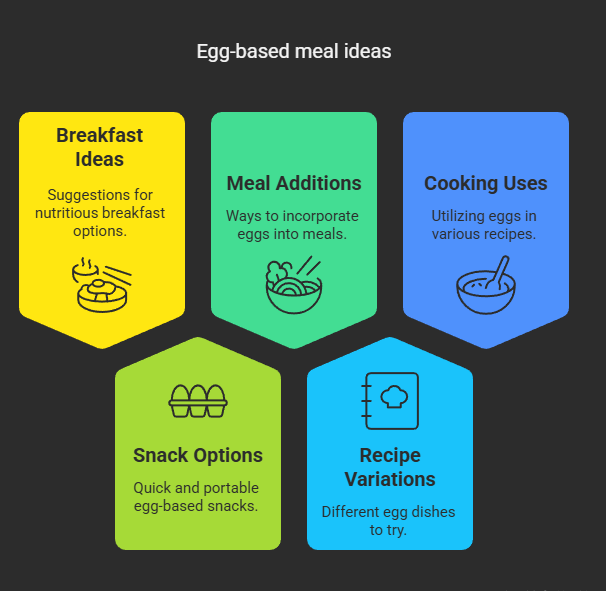
Aim for about 1-2 eggs per day, depending on your overall diet and health status. Here are some ways to incorporate eggs:
- Start your day with a vegetable-packed omelet
- Hard-boil eggs for a quick, portable snack
- Add a poached egg to avocado toast for a brain-boosting breakfast
- Use eggs in salads for added protein and nutrients
- Make a frittata with vegetables for a nutrient-dense meal
- Try egg-based dishes like shakshuka for variety
- Use eggs as a binder in homemade veggie burgers or meatballs
Pro Tip: Don’t skip the yolk—it contains most of the brain-boosting nutrients, including choline and lutein.
9. Leafy Greens: Nutrient-Packed Brain Food
Leafy green vegetables like spinach, kale, collard greens, and Swiss chard are nutritional powerhouses that offer significant benefits for brain health and neuroplasticity.
How Leafy Greens Enhance Neuroplasticity
Leafy greens support neuroplasticity through several mechanisms:
- Vitamin K: Essential for the formation of sphingolipids, a type of fat that’s densely packed into brain cells.
- Folate: Crucial for neuroplasticity and the production of neurotransmitters.
- Lutein and Zeaxanthin: Antioxidants that accumulate in the brain and are associated with better cognitive function.
- Nitrates: Compounds that can improve blood flow to the brain.
- Magnesium: Important for learning and memory processes.
- Vitamin E: An antioxidant that protects brain cells from oxidative stress.
- Alpha-Lipoic Acid: A powerful antioxidant that can cross the blood-brain barrier and protect neurons.
Scientific Evidence
A study published in the journal Neurology found that people who ate one to two servings of leafy green vegetables daily had the cognitive ability of a person 11 years younger compared to those who rarely ate greens.
Research from Tufts Human Nutrition Research Center on Aging showed that higher lutein levels in the brain were associated with better cognitive performance across various domains, including verbal fluency and memory.
Practical Ways to Include Leafy Greens in Your Diet
Aim for at least one serving of leafy greens per day. Here are some ways to incorporate them:
- Add spinach or kale to morning smoothies
- Use large leafy greens as wraps instead of tortillas
- Sauté greens with garlic as a simple side dish
- Add chopped greens to soups, stews, and pasta dishes
- Make a big salad with a variety of leafy greens as the base
- Use greens in pesto instead of or in addition to basil
- Add finely chopped greens to meatballs or burgers for added nutrition
Pro Tip: Lightly cooking leafy greens can increase the bioavailability of certain nutrients, like lutein.
10. Berries: Colorful Cognitive Enhancers
While we’ve already discussed blueberries, it’s worth noting that other berries—including strawberries, raspberries, and blackberries—also offer significant benefits for neuroplasticity.
How Berries Enhance Neuroplasticity
Berries support brain plasticity through several mechanisms:
- Anthocyanins: These potent antioxidants give berries their vibrant colors and have been shown to enhance neuroplasticity.
- Flavonoids: These compounds improve communication between neurons and stimulate neurogenesis.
- Vitamin C: An important antioxidant that protects brain cells from oxidative stress.
- Ellagic Acid: Found particularly in strawberries and raspberries, this compound has neuroprotective effects.
- Anti-inflammatory Effects: Berries help reduce inflammation in the brain, creating an environment conducive to neuroplasticity.
Scientific Evidence
A study published in the Annals of Neurology found that higher intake of flavonoids, particularly from berries, was associated with slower rates of cognitive decline in older adults.
Research from Tufts University showed that strawberries and blueberries could slow cognitive decline by up to 2.5 years in older adults, likely due to their flavonoid content.
Practical Ways to Include Berries in Your Diet
Aim for a variety of berries in your diet, about 1/2 to 1 cup daily. Here are some ways to incorporate them:
- Add fresh or frozen berries to morning oatmeal or cereal
- Mix them into Greek yogurt for a nutritious snack
- Blend them into smoothies with other brain-boosting ingredients
- Use them as a natural sweetener in baked goods
- Add them to salads for a burst of flavor and nutrition
- Make a berry compote to top whole grain toast or pancakes
- Freeze them for a refreshing summer snack
Pro Tip: Frozen berries are often more affordable and just as nutritious as fresh, making it easy to enjoy berries year-round.
Putting It All Together: A Brain-Boosting Meal Plan
Incorporating these ten foods into your diet doesn’t have to be complicated. Here’s a sample one-day meal plan that includes all ten brain-boosting foods:
Breakfast:
- Spinach and mushroom omelet (eggs, leafy greens)
- Topped with a sprinkle of turmeric and black pepper
- Side of mixed berries (blueberries, strawberries, raspberries)
- Green tea
Mid-Morning Snack:
- Greek yogurt with walnuts and pumpkin seeds
Lunch:
- Grilled salmon salad with mixed greens, avocado, and a variety of colorful vegetables
- Dressing made with olive oil, lemon juice, and herbs
Afternoon Snack:
- Apple slices with almond butter
- 1-2 squares of dark chocolate
Dinner:
- Stir-fry with chicken, broccoli, and other vegetables
- Served over brown rice
- Turmeric tea with a touch of honey and lemon
This meal plan incorporates all ten brain-boosting foods while providing a balanced, nutritious diet that supports overall health and neuroplasticity.
Frequently Asked Questions
Q1: How long does it take to see benefits from eating these foods?
A1: While some people report feeling cognitive benefits within days of making dietary changes, most research suggests that consistent dietary improvements over 2-3 months are typically needed before significant effects on neuroplasticity are observed. However, these foods offer numerous other health benefits, so incorporating them into your diet is beneficial regardless of the timeline.
Q2: Can I take supplements instead of eating these foods?
A2: While supplements can be beneficial, especially if you have diagnosed deficiencies, whole foods are generally preferable. They contain a complex array of nutrients that work synergistically and are often better absorbed than isolated nutrients in supplements. However, in some cases (e.g., omega-3s for vegetarians), supplements can be a useful addition to a healthy diet.
Q3: Are these foods beneficial for all ages?
A3: Yes, these foods can benefit people of all ages. They’re particularly important during periods of rapid brain development (childhood and adolescence) and as we age and want to maintain cognitive function. However, a balanced, nutrient-rich diet is crucial throughout life for optimal brain health and function.
Q4: Can these foods help with specific cognitive issues like ADHD or depression?
A4: While diet alone isn’t a cure for conditions like ADHD or depression, research suggests that nutrition plays a significant role in brain health and can complement other treatments. Some studies have shown improvements in ADHD symptoms with omega-3 supplementation, and anti-inflammatory diets rich in these brain-boosting foods have been associated with lower rates of depression. Always consult with a healthcare provider for medical conditions.
Q5: Are there any risks associated with eating these foods?
A5: For most people, these foods are safe and beneficial as part of a balanced diet. However, some considerations include:
Fatty fish may contain mercury, so variety is important
Some people may be allergic to nuts or eggs
Excessive dark chocolate consumption can lead to caffeine-related side effects
Some medications may interact with certain foods (e.g., leafy greens and blood thinners)
Always consult with a healthcare provider if you have specific health concerns or are taking medications.
Conclusion: Nourishing Your Brain for Lifelong Plasticity
The foods we consume play a crucial role in shaping our brain’s structure and function. By incorporating these ten science-backed foods into your diet, you’re providing your brain with the nutrients it needs to maintain and enhance its plastic capabilities.
Remember, neuroplasticity is a lifelong process. While it’s never too late to start nourishing your brain, consistency is key. Combine these dietary choices with other brain-healthy habits like regular exercise, quality sleep, stress management, and cognitive stimulation for optimal results.
As neuroscientist Dr. Sandrine Thuret aptly puts it, “We are what we eat, and what we eat affects how we think.” By choosing foods that support neuroplasticity, you’re investing in your cognitive health, potentially enhancing your learning abilities, memory, and overall brain function for years to come.
Embrace the power of nutrition in shaping your brain’s potential. Your future self will thank you for the delicious, brain-boosting choices you make today.
Share this:

Discover more from NutriIgnite UK
Subscribe to get the latest posts sent to your email.
Comments are closed.